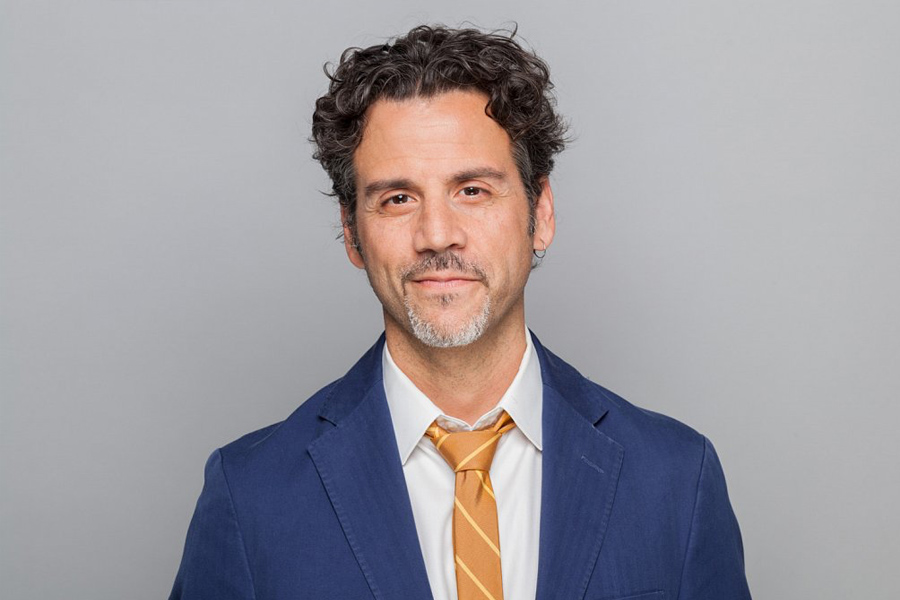
A Career Built in the Shadows of the Spotlight
I think Michael A Katcher represents one of the most interesting kinds of television leader: the person whose work is often invisible to viewers but impossible to separate from what they love on screen. Casting is not just a hiring function. It is a kind of narrative architecture. It decides the temperature of a scene before the first line is spoken. It can make a story feel brittle or alive, flat or electric. In that sense, Michael A Katcher has spent his career working like a builder with a flashlight, shaping rooms that audiences enter without ever noticing the scaffolding.
What stands out to me is how his path moves across several layers of the entertainment business. He did not stay in one lane. He worked in casting, moved into agency leadership, and later returned to casting at a high level inside a major entertainment brand. That movement matters. It suggests a professional who understands the machine from multiple angles, not just from one seat at the table. He has seen performers as candidates, clients, collaborators, and creative catalysts. That broader view gives his story a kind of depth that is easy to miss if you only glance at a job title.
Why His Career Feels Especially Relevant Now
I read Michael A Katcher’s career as a response to the changing shape of television itself. The medium has shifted from the old network model to a landscape of prestige dramas, genre experiments, creator-led comedies, and streaming competition. That transformation has changed what casting means. A cast is no longer just a group of names arranged for familiarity. It is often the engine of a show’s identity.
That is where Michael A Katcher feels especially important. A strong casting executive today has to think like a strategist and a poet at the same time. One hand is on the spreadsheet of availability, budget, and scheduling. The other is on the pulse of chemistry, tone, and audience expectation. I see his value in that balancing act. He appears to be the kind of executive who understands that the right actor can alter not only a scene, but the entire gravity of a series.
There is also a larger industry story in his progression. The route from casting rooms to agency leadership and then into a top FX role reflects a career built on trust. In Hollywood, trust is a rare currency. People trust you with their project, their talent, their reputation, and their time. That kind of trust is not accidental. It grows over years, through repeated proof that you can tell the difference between a good choice and a transformative one.
The Agency Years and What They Reveal
I find the agency chapter especially revealing because agency work changes the lens. It pulls a person away from just filling roles and toward shaping careers. That requires patience, persuasion, and a steady sense of where the industry is heading. A strong talent agent is not simply matching actors to jobs. They are helping create momentum. They are reading the market, protecting long-term value, and keeping a performer visible without exhausting them.
For Michael A Katcher, that experience likely sharpened his instincts in a way that pure casting experience could not. It is one thing to ask who fits a character. It is another to ask how an actor’s presence may evolve across seasons, how a network or studio might respond to them, and how a role can become a durable piece of a performer’s career. That larger, more patient perspective feels woven through his story.
I also think this helps explain why his return to casting at FX matters. It was not a retreat back to an older role. It was a synthesis. It brought together the eye of a casting leader and the long-range thinking of a talent representative. That combination is rare. It makes him the sort of executive who can see both the forest and the trees, then still notice which branch is about to bloom.
Photography as a Second Language
One of the most compelling parts of Michael A Katcher’s story is his photography. I do not see that as a hobby on the side. I see it as a second language. Casting and photography share a fascination with faces, posture, silence, and implication. Both disciplines ask the same question in different ways: what does this person reveal before they even speak?
Photography gives that question a slower pulse. It freezes a moment instead of assembling one. Where casting builds a living ensemble, photography isolates a subject and lets the viewer study the cracks in the surface. That duality makes his creative identity richer. It suggests a person who is not satisfied with one way of seeing. He looks at people as potential roles, but also as complete images, layered and imperfect and worth studying closely.
I am drawn to that tension. In television, everything moves fast. Deadlines compress judgment. Meetings blur into notes. Photography, by contrast, can be meditative. It can hold stillness long enough to let meaning emerge. For Michael A Katcher, the two practices seem to feed one another like twin rivers meeting underground.
Family, Privacy, and the Shape of a Public Life
I think there is something telling about how Michael A Katcher appears to manage his public life. He has enough visibility to be recognized in entertainment circles, yet he keeps his private world largely out of view. That choice feels deliberate, and I respect it. In a culture that often rewards oversharing, privacy can be an act of discipline.
His earlier marriage to Megan Mullally is one part of his public record, but beyond that, the picture remains intentionally spare. That spareness itself says something. It suggests a person who lets his work speak loudly and his home life stay protected. I read that not as absence, but as structure. Some people build their identities outward. Others build inward first. Michael A Katcher seems to choose the second path.
That kind of separation can be difficult in entertainment, where the boundaries between professional and personal often dissolve. Keeping family details private is a way of preserving something unmarketable, and therefore valuable. It creates a room that is not designed for the public gaze. In a business that trades in exposure, that is its own kind of strength.
Why His Name Carries Weight in Entertainment Circles
I think Michael A Katcher matters because his role sits at the junction of taste and power. Casting executives are not always celebrated in public, but they influence the emotional memory of television more than most people realize. Long after a season ends, viewers remember faces, voices, rhythms, and combinations. They may not remember who made the choices, but they remember the effect.
That is the strange, quiet prestige of casting. It is like tuning an instrument no one sees. When it is done well, the music feels inevitable. When it is done poorly, the whole performance wobbles. Michael A Katcher appears to have built a reputation around making the inevitable look effortless.
I also think his longevity is meaningful. Entertainment rewards novelty, but endurance tells a deeper story. Staying relevant across multiple industry eras requires adaptability, judgment, and the ability to earn confidence repeatedly. That is not luck. That is craft.
FAQ
Who is Michael A Katcher?
Michael A Katcher is a casting executive, talent agent, and photographer whose career spans casting, agency leadership, and executive work at FX Entertainment.
What makes Michael A Katcher notable in television?
He is notable because he has worked across both the creative and business sides of casting, helping shape how actors are selected, guided, and positioned in major television projects.
Why does his background in agency work matter?
It matters because agency experience gives him a wider view of actors’ careers, industry strategy, and long term talent value. That makes his casting perspective more layered and practical.
What role does photography play in his profile?
Photography adds another creative dimension to his public identity. It suggests a visual sensibility that complements his casting work, since both fields rely on attention to character, framing, and emotional presence.
How does Michael A Katcher fit into the modern TV landscape?
He fits as a behind the scenes architect of television identity. In an era when casts often define a show’s brand, his work helps shape how audiences experience a series from the first glance onward.
Why is privacy an important part of his story?
Privacy matters because it shows how he separates professional visibility from personal life. That balance gives his public image a sense of intention and restraint.
What is distinctive about his career path?
His career path is distinctive because it moves across casting, talent representation, and executive leadership. That range gives him a panoramic understanding of the entertainment business.
Why does Michael A Katcher remain relevant today?
He remains relevant because casting continues to be one of the most influential forces in television, and his career reflects the judgment, adaptability, and taste needed to succeed in that role.