A face in the margin of cinema
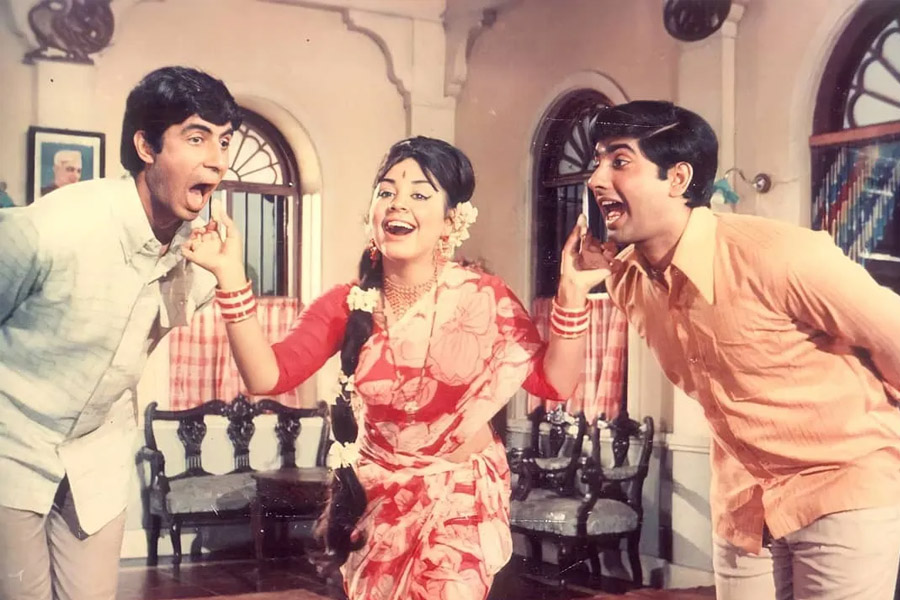
I have always been drawn to the small, stubborn presences that sit at the edge of storytelling. Tabrez Barmavar was one of those presences. Not the marquee name that prints in lights. Not the photograph that circulates in glossy retrospectives. He was a face you noticed in a blink and then remembered later, like a punctuation that changes the meaning of a sentence. Watching his brief on-screen moments, I felt like I was peeking at a private room through a window that had been left slightly ajar.
His film work in the 1970s reads like a short story collection. Each role is compact. Each moment is specific. There is economy to that kind of acting. It requires restraint. It rewards patience. I believe the quieted smallness of his parts taught him, or revealed in him, an instinct for the practical. He learned to measure his steps. He learned to survive in scenes that belonged to others.
From set lights to factory floors
It is tempting to imagine that anyone who spends even a handful of years near the machinery of film will be pulled forward into everlasting visibility. But real life bends differently. After a few years of supporting roles, he stepped away. He traded the uncertain scripts for the steadier rhythm of business. I picture him in a small office, the smell of chemicals in the air, the precise arithmetic of inventory lists and ledgers. That soap manufacturing venture in Bangalore was not merely commerce. It was a recalibration of purpose.
There is poetry in that kind of decision. To stop chasing fleeting applause and to choose the steady hum of factory machines is to prize continuity over glory. I respect that. I admire the humility. It tells me he was someone who measured his life in obligations and silences rather than in awards and columns. The cameras became an occasional memory, not the plan.
Marriage as an axis
Marriage changed the coordinates of his existence. I do not mean that in a clinical way. I mean it as a gravitational shift. When two lives orbit so closely, the adjustments each makes are seldom public. He married an actress who remained, through the arc, a public figure. That contrast interests me. One partner is subjected to public attention while the other constructs anonymity with the care of a craftsperson.
Their move away from the center of the film industry was a deliberate act of reorientation. They built a home in a different city. They raised a child. I think of household rhythms: waking early, making decisions that are not dramatic but essential, repairing what needed repair. Those are the invisible structures that sustain families. I see Tabrez in those rooms, a steadying presence with a book in hand, quietly shaping a life that was not meant for headlines.
The economy of a modest career
I like to imagine his filmography as currency, not fame. The small roles were transactions that bought experience and relationships. He paid attention to details. A photograph, a consulted line, a look that held more than the dialogue. Such choices are the foundation of believable supporting performances. To me they say that he cared about craft even as he walked toward a different livelihood.
After leaving films he did not vanish. He continued to influence, to provide, to parent. There is dignity in that continuity. It reads like a story where the protagonist chooses a quieter, truer ending. I do not mean that his life concluded in obscurity. He left traces. Those traces are present in the recollections and in the faint resonance his name still carries among those who remember that brief era of cinema.
Memory, reels, and the way we remember people
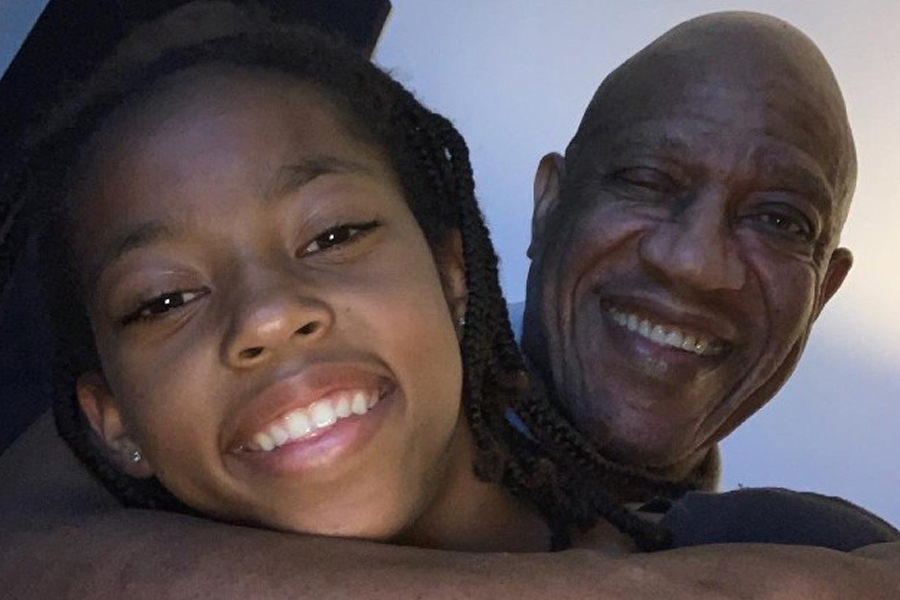
Memory treats public figures badly sometimes. It loves the loud and the constant. It forgets the soft. But memory also has tenderness. Family photographs, home videos, brief interviews, and the occasional reel bring him back, if only for a moment. When I look at those images I feel both the weight and the lightness of a life lived on two parallel tracks: one private, one public.
A life like his resists easy categorization. He was not lost. He was not vanished. He was present in the ordinary ways that matter: in decisions, in routines, in the willingness to trade glamour for a business plan that sustained his family. That is a kind of legacy that does not demand attention but that quietly secures the future of others.
Small certainties and large silences
There are facts we can place in neat columns. There are also gaps. I am comfortable holding both. The absence of certain details about his early life or birthdate does not diminish the story. It enlarges it. It leaves space for imagination to do its careful work. We can feel the contours of the human being without insisting on complete cartography.
To live a life partly in the limelight and then step into a more private existence is an act that carries its own poetry. We think of fame as an achievement to maximize. I find it refreshing to study someone who chose, or perhaps accepted, a different measure of success. The choice evokes a seaside village in the mind. Boats at dawn. People unloading nets. Quiet industry. Hands that know how to mend.
FAQ
Who was Tabrez Barmavar?
I see him as an actor who worked in supporting roles during the 1970s and later moved into business. He married and raised a family while stepping away from the steady glare of film sets.
Why did he leave acting?
From what I feel reading the sparse traces left behind, his departure was rooted in pragmatism. He traded the uncertain income from small roles for the steadier work of running a business and supporting a household.
Did he remain connected to the film world?
He stepped out of its center but did not sever ties entirely. Brief appearances, memories in interviews, and family stories kept his connection alive. His life thereafter seemed to be more focused on family and enterprise.
Is there much public information about his early life?
No. The record is thin. I find that the gaps create a kind of mystery that invites reflection rather than frustration.
What kind of legacy did he leave?
He left a modest legacy of responsibility and quiet influence. It is not the kind of legacy that fills museum rooms. It is more like a trusted bridge that enables others to walk forward.