A childhood split between cities and sounds
I grew up listening to stories about lives that move between places and instruments. Caitlin Rivers Crowell was born into that kind of motion, a life that threaded through Nashville and New York. Those cities are different kinds of schools. One teaches lineage and melody; the other teaches risk and reinvention. That dual schooling does something subtle to a child. It makes you fluent in both inheritance and discretion. Caitlin learned how to read a chord and how to read a room. She learned that sometimes the most valuable work is invisible and that legacy can be curated without spectacle.
Choosing the backstage life
I have long believed that there is artistry in administration. Caitlin Rivers Crowell chose that artistry. Instead of stepping into the spotlight she stepped behind it, shaping the pathways that allow songs to travel. PR and licensing are not glamorous in the way a stage is glamorous. But they are where a song gets a passport. In those roles you negotiate, translate, and protect. You become a guardian of tone and intent. You also become a translator between artists and markets, between memory and commerce. I think of her work as the craft of placement, a steady hand that guides music from storage boxes of demos to the place where listeners encounter them in film, television, or advertising.
Marriage as a creative duet
Marriage can be a new kind of studio. Caitlin’s marriage to Sam Esty Rayner in 2009 reads like a collaboration that happens quietly at home and loudly in craft. He takes light, she tends to sound rights. Together they form a lens and a track. I imagine dinner conversations that map a photograph to a playlist and a licensing clause to a frame. That domestic overlap, where visual rhythm and auditory rhythm meet, is fertile for cross pollination. It makes the household a small atelier where two crafts inform one another without forcing either into the other’s spotlight.
Family as a chorus and a compass
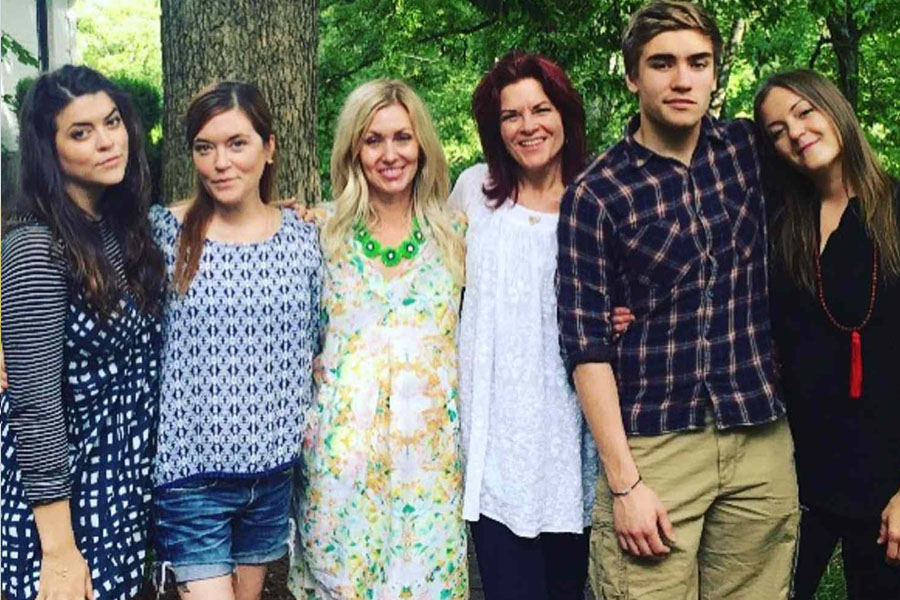
Families with public pedigrees are rarely simple. The Crowell Cash household is a layered chorus. On one side sits Rosanne Cash and on the other sits Rodney Crowell. Their histories with song and stage form a deep bedrock. Above them, a familiar name haunts the edges of story and expectation, the name of Johnny Cash. That kind of inheritance can be both an anchor and a current. It tugs, but it also carries. Into that current have come newer voices, including a younger generation like Jakob Leventhal. When I look at this, I do not see a single melody. I see counterpoint. Siblings occupy different registers. Some perform. Some design. Some create a quiet infrastructure. Caitlin’s role has always been connective rather than performative. She knits threads others will wear onstage.
Privacy as strategy in the digital age
I wonder often about what privacy means when your surname opens doors. Caitlin Rivers Crowell chose a smaller public footprint. That choice is strategic. Privacy allows work to be noticed on its own terms. It keeps negotiation rooms private and creative errors from becoming public scandals. But it also means that credit is rarer and recognition is muted. In a world that rewards visibility with opportunities, there is courage in choosing discretion. I think of privacy as a sculptor’s veil. It hides the hand while letting the finished form speak.
The mechanics of placing a song
If you want to see where someone like Caitlin makes all the difference, watch where a song appears and how it is presented. Licensing is an ecosystem of rights, relationships, and timing. It involves clearing samples, negotiating sync fees, and protecting moral rights. Public relations is about context and narrative; it frames a song so that supervisors and creative directors see it in the light you want. I have seen campaigns where a single well placed placement changes how a songwriter is perceived, turning a catalog cut into a career pivot. That is the currency Caitlin works with. It is subtle. It is precise. It is often the hinge between financial sustainability and artistic recognition.
Sibling dynamics as creative strategy
Sibling groups often act like ensembles. Each member brings a voice and a role. In my observation, when one sibling performs publicly and another manages the backstage, the family gains both reach and depth. Caitlin, Chelsea, Carrie, and Jakob form a network of skills. That network can offer mutual feedback, safe testing grounds, and trusted referrals. The family functions like an independent label, not in corporate terms but in practice. They share resources, critique drafts, and champion each other within and outside of the industry. I view that as an invisible cooperative that sustains creative labor across generations.
FAQ
Who are Caitlin Rivers Crowell parents?
Caitlin Rivers Crowell is the daughter of Rosanne Cash and Rodney Crowell. Their careers formed the background hum of her childhood and shaped the vocabulary she would later use in licensing and public relations.
When and where did Caitlin grow up?
She spent formative years moving between Nashville and New York, two very different music ecosystems. That split gave her fluency in tradition and experiment, a duality that serves well in negotiating a song’s future.
What does Caitlin Rivers Crowell do professionally?
She works in music public relations and licensing. In plain language, that means she helps place songs in media, negotiates rights, and frames artists to industry decision makers. It is work that requires legal knowledge, cultural taste, and the ability to manage personalities.
Is Caitlin publicly visible like her parents?
No. Caitlin maintains a low public profile. That is intentional. I see it as a craft choice. By staying out of the spotlight she preserves flexibility, confidentiality, and the ability to work across projects without becoming a public brand.
How does Caitlin’s marriage relate to her work?
Her marriage to Sam Esty Rayner links visual and sonic practices. The household is a site where image and music converse. That private collaboration can yield public results, even if their joint work remains mostly behind the scenes.